Understanding Fractures & Orthopaedic Trauma
When a bone breaks due to high-energy trauma (like road traffic accidents) or a low-energy fall (especially in elderly patients with osteoporosis), restoring its normal anatomy is critical for regaining full limb function. Unlike simple fractures that can heal in a plaster cast, complex, displaced, or unstable fractures require surgical intervention.
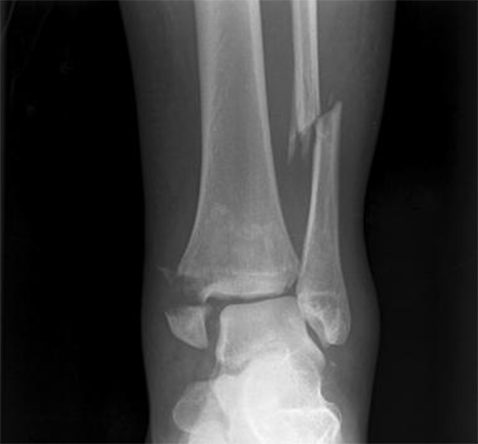
The primary goal of modern fracture surgery is to achieve "anatomic reduction" (putting the pieces perfectly back together) and "stable fixation" (holding them securely). This allows you to move the adjacent joints early, preventing debilitating stiffness and long-term disability. Here is a detailed look at the advanced surgical techniques we utilize to fix extremity fractures.
ORIF and Titanium Plating
Open Reduction and Internal Fixation (ORIF) is the standard of care for many fractures, particularly those near or involving a joint (such as the wrist, ankle, or elbow). "Open Reduction" means making an incision to physically realign the bone fragments under direct vision. "Internal Fixation" refers to holding them together with hardware.
During this procedure, we use state-of-the-art titanium locking plates and screws. These plates act like an internal splint. Unlike traditional plates that just compress against the bone, "locking" plates have screw heads that thread directly into the plate itself. This creates a rigid, unified construct that provides superior stability, which is especially vital for patients with poor bone density or highly fragmented (comminuted) fractures.
Intramedullary (IM) Nailing and PFN
For fractures occurring in the middle shaft of long bones—primarily the femur (thigh bone) and tibia (shin bone)—we often use an Intramedullary (IM) Interlocking Nail. Instead of opening the entire fracture site, we use a minimally invasive technique to slide a strong titanium rod down the hollow center (the medullary canal) of the bone.
Because the rod sits inside the bone, it acts as a "load-sharing" device. This means the implant shares the weight of your body with the healing bone, which actually encourages faster bone healing and allows for much earlier weight-bearing.
A specialized version of this is the Proximal Femoral Nail (PFN). The PFN is the gold standard for treating intertrochanteric hip fractures (fractures near the top of the thigh bone), which are incredibly common in elderly patients. It is inserted through a tiny incision at the hip and provides immediate, robust stability, allowing senior patients to sit up and begin walking safely within days.
Tension Band Wiring (TBW)
Certain bones, like the patella (kneecap) and the olecranon (the pointy bone of the elbow), are unique because powerful muscles constantly pull on them. When these bones break, the muscles actively pull the fracture fragments apart.
To fix this, we use a clever biomechanical technique called Tension Band Wiring (TBW). Using a combination of thin metal pins (K-wires) and a figure-of-eight flexible wire loop, we harness the body's own muscle tension. When you bend your elbow or knee, the TBW construct converts the pulling force into a compressing force, pushing the broken bone fragments tightly together. This specialized technique promotes excellent healing and allows for early joint movement without pulling the fracture apart.
Hemiarthroplasty for Geriatric Hip Fractures
While we always strive to fix broken bones, there is a specific type of fracture where fixing it is not the best option: a displaced Neck of Femur fracture in older adults. Because a fracture in this exact location cuts off the blood supply to the "ball" of the hip joint, attempting to fix it with screws often results in the bone dying (avascular necrosis) or failing to heal.
Instead, we perform a Hemiarthroplasty (Partial Hip Replacement). During this procedure, we remove the broken, blood-starved ball of the hip joint and replace it with a highly polished metal prosthesis, leaving the patient's natural socket intact. This procedure is life-saving for the elderly, as it eliminates the risk of non-healing bones and allows the patient to bear their full weight and walk almost immediately after surgery.
The Road to Recovery and Bone Healing
Post-surgical recovery from orthopaedic trauma is a collaborative process. While the metal implants hold your bones strictly in place, your body must still biologically heal the fracture by creating a "callus" (new bone bridge). This biological healing typically takes 6 to 12 weeks, depending on the severity of the break and your overall health.
Your rehabilitation will progress in phases. Initially, physical therapy will focus on reducing swelling and moving adjacent joints to prevent stiffness. Depending on your specific surgery (like an IM nail vs. a plate), I will guide you on exactly when you can start putting weight on the limb (weight-bearing protocols). A protein-rich diet, adequate calcium and Vitamin D, and strict adherence to your physiotherapy regimen are essential for a complete, pain-free return to your daily life.