Understanding Hip Fractures: Anatomic Zones & Modalities
Hip fractures represent some of the most critical orthopaedic injuries affecting mobility and independence, especially among senior citizens. Choosing the correct surgical modality depends on the exact anatomical zone of the break, bone density, and patient age.

Modern hip fracture management utilizes four primary surgical modalities tailored specifically to fracture stability: Dynamic Hip Screw (DHS) for stable intertrochanteric breaks, DHS with Trochanteric Support Plate (DHS+TSP) or Proximal Femoral Nail with Support Plate (PFN+TSP) for unstable patterns with compromised lateral walls, and Bipolar Hemiarthroplasty for intracapsular femoral neck fractures.
Modality 1: Dynamic Hip Screw (DHS) for Stable Intertrochanteric Fractures
The Dynamic Hip Screw (DHS) is a time-tested, gold-standard side-plate implant utilized for stable intertrochanteric hip fractures where the outer lateral cortex of the bone remains intact.
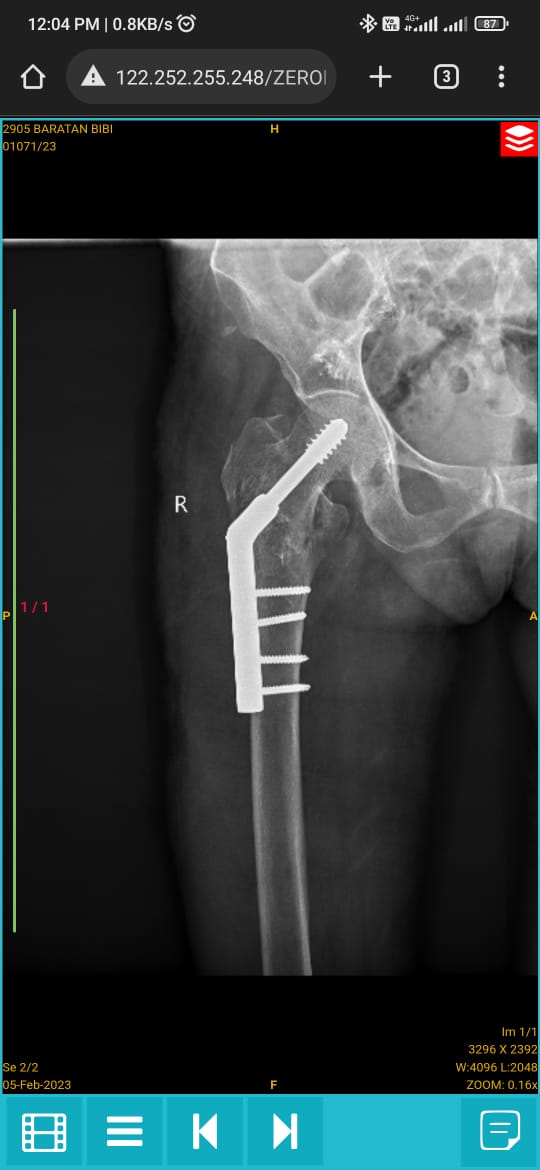
How It Works: A large lag screw is positioned directly into the center of the femoral ball, sliding smoothly inside a barrel attached to a side-plate screwed onto the outer thigh bone. As the patient begins weight-bearing, the fracture ends compress naturally against one another, stimulating rapid bone knitting.
Modality 2: DHS with Trochanteric Support Plate (DHS + TSP)
When an intertrochanteric fracture is moderately unstable or involves a cracked/weakened outer lateral bone wall, a standard DHS side-plate alone may lack adequate lateral buttress, risking side-slipping or implant cutout.
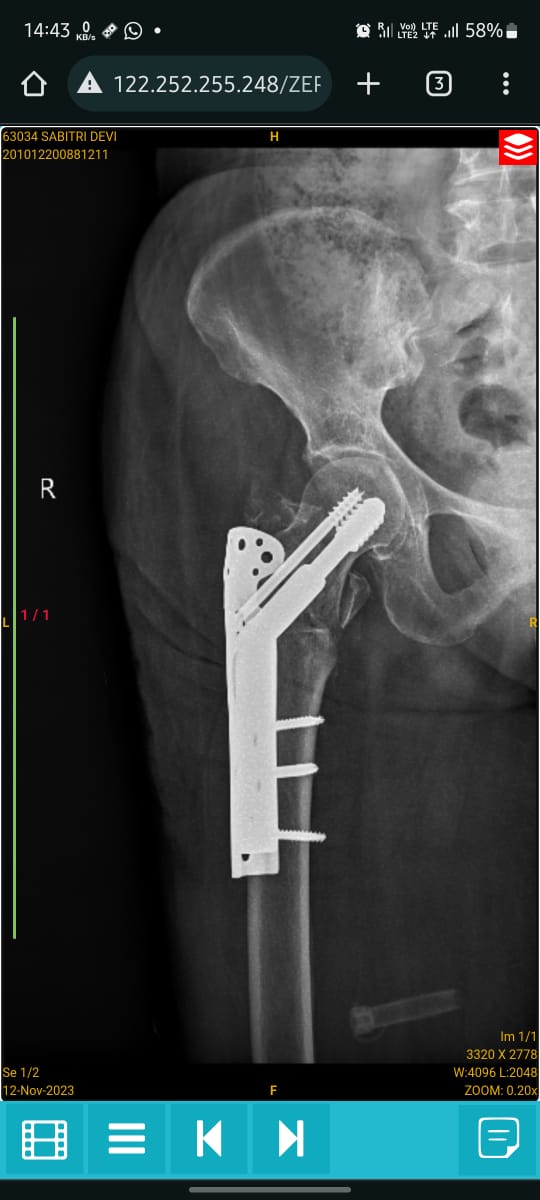
How It Works: We add an extra proximal hook or support plate (Trochanteric Support Plate / TSP) locked into the DHS assembly. This supplementary plate cradles the outer trochanteric fragment, preventing outward displacement and providing double mechanical security for early patient mobilization.
Modality 3: Proximal Femoral Nail with Trochanteric Support Plate (PFN + TSP)
For highly unstable, multi-fragmentary intertrochanteric and subtrochanteric fractures, intramedullary nailing (Proximal Femoral Nail / PFN) is preferred because it acts as a load-sharing central beam inside the bone canal.
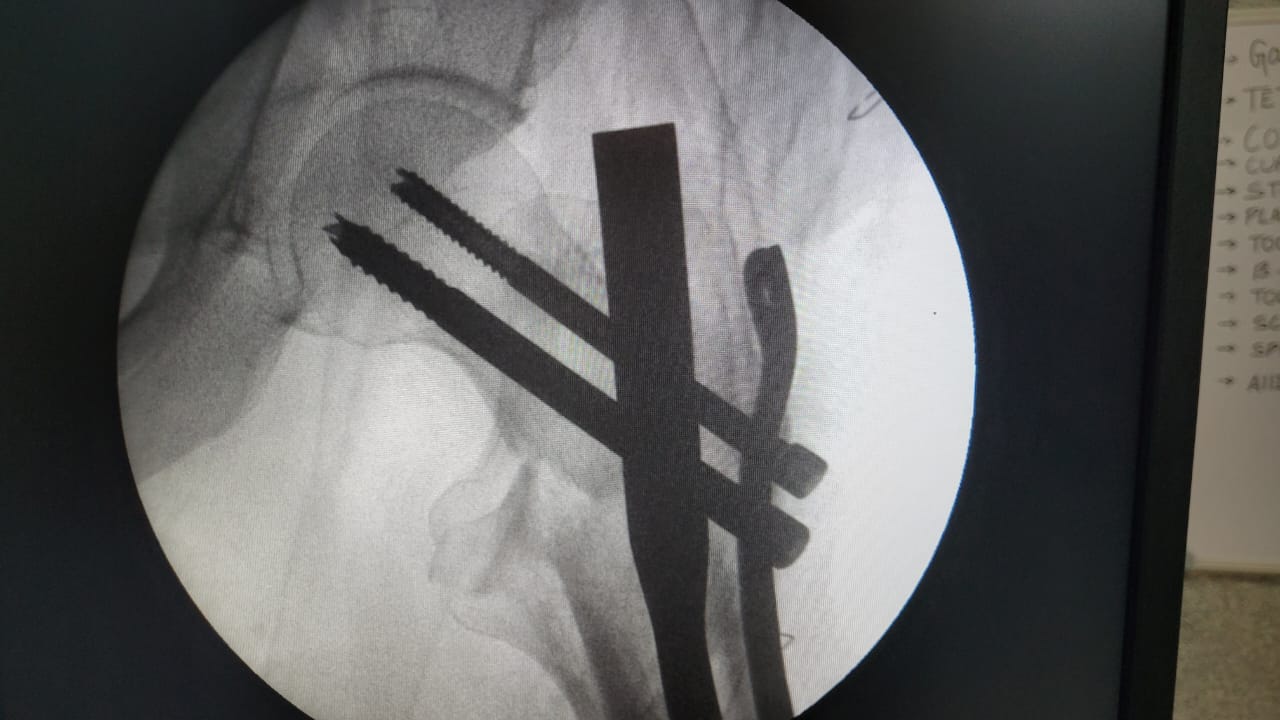
How It Works: A titanium nail is inserted down the center of the thigh bone and locked into the femoral head. In cases where the lateral trochanteric wall is severely fractured or blown out, augmenting the PFN with a lateral trochanteric support plate locks all peripheral bone fragments firmly against the central nail, ensuring absolute rotational stability.
Modality 4: Bipolar Hemiarthroplasty for Femoral Neck Fractures
When elderly patients sustain a fracture across the neck of the femur (inside the joint capsule), the blood supply to the ball is permanently severed, preventing natural bone healing. Screwing these breaks in seniors almost always results in failure and bone collapse.
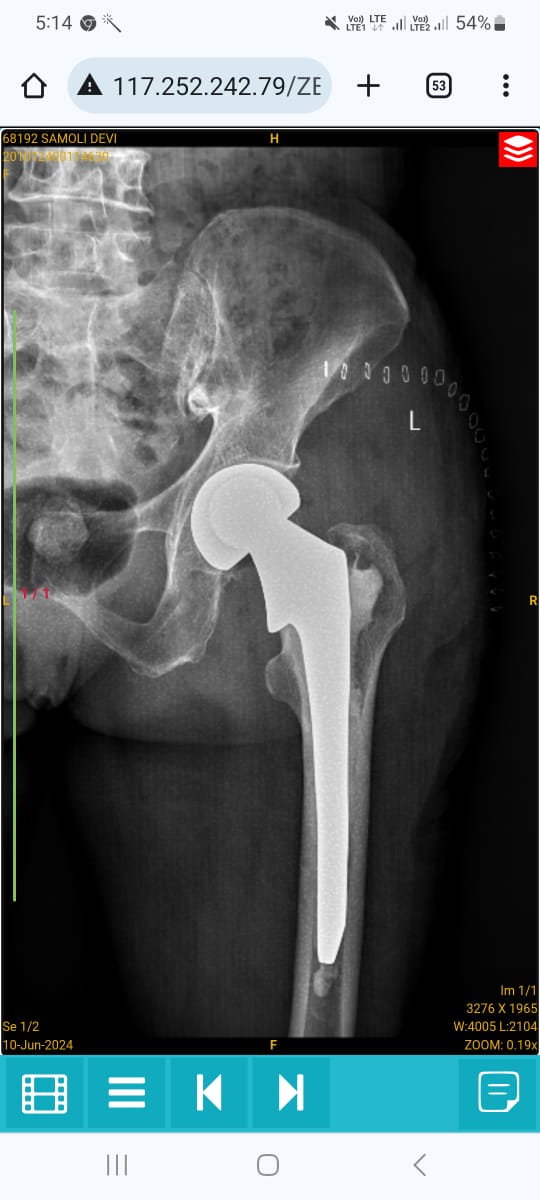
How It Works: We perform Bipolar Hemiarthroplasty, replacing the broken ball with a polished metallic prosthesis featuring an inner mobile dual-cup head that mimics natural hip articulation. This eliminates the risk of non-union and allows senior citizens to stand and walk on the very next day post-surgery.
Geriatric Hip Fractures: Why Surgery Saves Lives Within 24–48 Hours
In senior citizens, a hip fracture is not merely a broken bone—it is a life-threatening medical emergency. Keeping an elderly person bedridden in traction or casts triggers a rapid downward spiral: painful pressure ulcers, hypostatic pneumonia, deep vein thrombosis (DVT), and urinary sepsis. Operating within 24 to 48 hours allows our rehabilitation team to get patients sitting in a chair and walking with a walker immediately, breaking this dangerous cycle.
Phased Recovery Timeline: From Surgery to Independent Walking
Whether treated with DHS, DHS+TSP, PFN+TSP, or Bipolar replacement, structured physical rehabilitation ensures optimal functional recovery:
| Timeframe | Clinical Status & Bone/Joint Stability | Permitted Physical Activity | Physiotherapy & Rehabilitation Focus |
|---|---|---|---|
| Day 1 to 3 | Post-operative stabilization; pain controlled with nerve blocks; wound inspected. | Sitting up at bedside; standing with a walker under physiotherapist guidance. | Static quadriceps setting, ankle pumps, gentle hip abduction precautions. |
| Weeks 2 to 3 | Surgical incisions heal cleanly; skin staples/stitches removed (Day 12–14). | Walking indoors with a walker or elbow crutches; partial weight bearing. | Active-assisted hip range of motion exercises; stair-climbing instruction with rails. |
| Weeks 6 to 12 | Progressive bone union visible on checkup X-rays (for fixation) or stable prosthesis integration (for replacements). | Transitioning to a single cane; walking outdoors; resuming light household duties. | Core strengthening, abductor muscle training, stationary cycling. |
| Months 3 to 6 | Solid structural consolidation and remodeling. | Unrestricted independent walking; climbing stairs normally; resuming social activities and travel. | Advanced balance drills, full functional stamina restoration. |
Surgery Costs & Cashless Mediclaim in Jamshedpur
Hip fracture surgery packages depend on the specific surgical modality (DHS, DHS+TSP, PFN+TSP, or Bipolar Arthroplasty), the selection of imported titanium hardware or joint prostheses, and the hospital room category.
Emergency Cashless Insurance & TPA Support
We cover almost all major private health insurance policies, corporate TPAs, and recognized health panels.
Because acute accidental hip fractures are treated as medical emergencies, most health policies cover hospitalization without standard waiting periods. Families should share the patient's insurance card and accident details directly on our clinic WhatsApp at +91 7739798850 for immediate pre-authorization desk assistance.
Confirm on whatsappOur administrative desk ensures transparent, upfront billing covering implant invoices, OT charges, anesthesia fees, and follow-up care with zero hidden surprises.
Frequently Asked Questions by Patients & Families
What is a Dynamic Hip Screw (DHS) procedure?
A Dynamic Hip Screw (DHS) is an implant system consisting of a large lag screw inserted into the femoral ball and attached to a side-plate screwed along the outer thigh bone. It is designed for stable intertrochanteric fractures, allowing controlled sliding compression as the bone heals.
What is the benefit of adding a Trochanteric Support Plate (TSP) to DHS or PFN?
When the outer lateral wall of the hip bone is cracked or shattered, a standard nail or screw alone may fail or let the bone slip sideways. Adding a Trochanteric Support Plate (TSP) reinforces this lateral wall, locking the fragments securely and preventing implant cutout.
What is Bipolar Hemiarthroplasty for neck of femur fractures?
Bipolar hemiarthroplasty is a joint replacement procedure for elderly patients with a broken femoral neck where the blood supply to the ball is destroyed. The broken ball is replaced with a smooth, dual-cup metallic prosthesis, enabling seniors to stand and walk immediately.
Why are elderly hip fractures treated as immediate surgical emergencies?
In senior citizens, keeping a hip fracture unoperated forces them to remain bedridden, quickly triggering life-threatening complications like bedsores, pneumonia, urinary infections, and blood clots. Prompt surgery within 24 to 48 hours allows patients to sit up and walk with support, saving lives.
Is hip fracture surgery covered under cashless insurance in Jamshedpur?
Yes. Acute accidental hip fractures are classified as medical emergencies and are covered under cashless hospitalization across major private health insurance policies, corporate TPAs, and recognized health panels without standard waiting periods.
Clinical References & Scientific Evidence
1. Parker MJ, Handoll HH. "Gamma and other cephalomedullary nails versus sliding hip screws for trochanteric mechanical hip fractures in adults." Cochrane Database of Systematic Reviews. 2010;(9):CD000093.
2. Rüedi TP, Buckley RE, Moran CG. "AO Principles of Fracture Management." AO Foundation / Thieme. 2007.
3. Bhandari M, et al. "A randomized trial of diagnostic hip arthroscopy and hip arthroplasty versus internal fixation for displaced femoral neck fractures in elderly patients." The Journal of Bone & Joint Surgery. 2019;101(14):1260-1268.