Phase 1: Understanding Severe Knee Osteoarthritis
Your knee joint is covered by a smooth layer of articular cartilage that acts as a cushion and allows the bones to glide effortlessly. Over time, due to aging, genetics, or previous trauma, this cartilage can wear away—a condition known as osteoarthritis.
When the cartilage degenerates significantly, the joint loses its natural shock absorber. This leads to bone rubbing directly against bone, causing severe pain, joint stiffness, visible swelling, and often a grinding or cracking sensation when you bend your knee. Eventually, this progressive damage limits your ability to walk, climb stairs, or even sleep comfortably without pain.
Phase 2: When is Joint Replacement Necessary?
Not every patient with knee pain needs surgery immediately. We always start with conservative, non-operative treatments. This includes anti-inflammatory medications, customized physiotherapy, weight management, unloader braces, and joint preservation techniques like hyaluronic acid (lubrication) injections.
However, a Total Knee Replacement (TKR) is strongly recommended when these conservative treatments no longer provide relief. If your knee pain is severe enough to restrict your daily activities, causes you to rely on a walking aid, or keeps you awake at night, it is time to consider replacing the damaged surfaces to restore your quality of life.
Phase 3: The Surgery - Precision Joint Arthroplasty
Despite the name, a Total Knee Replacement does not mean removing the entire knee. Instead, it is more accurately described as a "knee resurfacing." During the procedure, the damaged cartilage and a small amount of underlying bone are carefully removed from the ends of the thigh bone (femur) and shin bone (tibia).
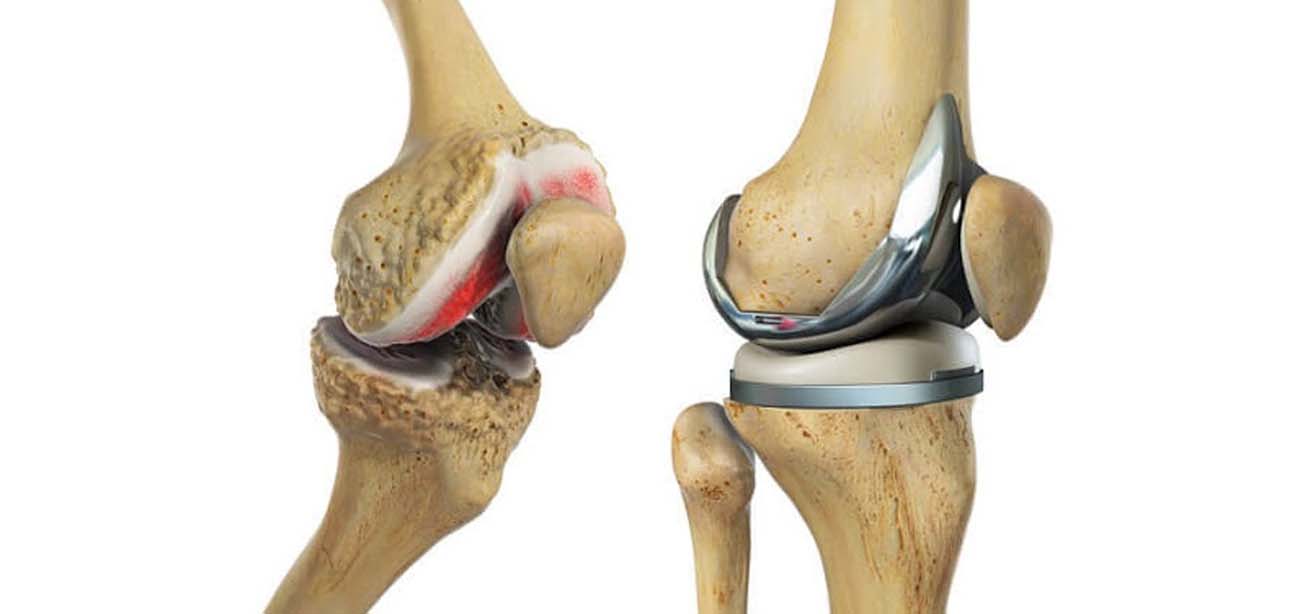
Advanced Biocompatible Implants: These resurfaced areas are replaced with high-quality, long-lasting metal alloy components. A medical-grade plastic spacer is then inserted between the metal components to create a smooth gliding surface. Using precision surgical instruments, we ensure the new joint is perfectly aligned to match your natural anatomy, restoring a straight leg profile and natural movement.
Phase 4: Muscle-Sparing Techniques & Safety
Modern joint replacement has evolved dramatically. We utilize minimally invasive, muscle-sparing techniques. By carefully working around the major quadriceps muscles rather than cutting through them, we significantly reduce surgical trauma, minimize post-operative pain, and accelerate your rehabilitation timeline.
Patient safety is our absolute priority. Surgeries are performed in ultra-clean, laminar airflow operating theaters using strict sterile protocols to virtually eliminate the risk of surgical site infections. We also meticulously manage blood loss and utilize specialized medications to ensure the procedure is as safe as possible.
Phase 5: Rapid Recovery and Early Mobility
The days of prolonged bed rest after knee surgery are over. We employ an "accelerated recovery" protocol. Using advanced, opioid-sparing multimodal pain management (including specialized local nerve blocks given during surgery), we keep you highly comfortable so you can start moving immediately.
In fact, under the guidance of our expert physiotherapy team, most patients are assisted to stand and take their first steps with a walker within 24 hours of surgery. Early mobilization is crucial; it prevents blood clots, stimulates muscle recovery, and builds your confidence with the new joint.
Phase 6: Life After Knee Replacement
Rehabilitation continues at home with a structured exercise program designed to fully restore your knee's range of motion and strength. You will gradually transition from a walker to a cane, and eventually to walking independently. Most patients return to light daily activities within 3 to 6 weeks.
The ultimate goal of a Total Knee Replacement is a dramatic reduction in pain and a return to the life you love. With modern implants and expert surgical alignment, your new knee can last 15 to 20 years or more. You can look forward to traveling, enjoying long walks, climbing stairs smoothly, and participating in low-impact activities without the burden of chronic knee pain.