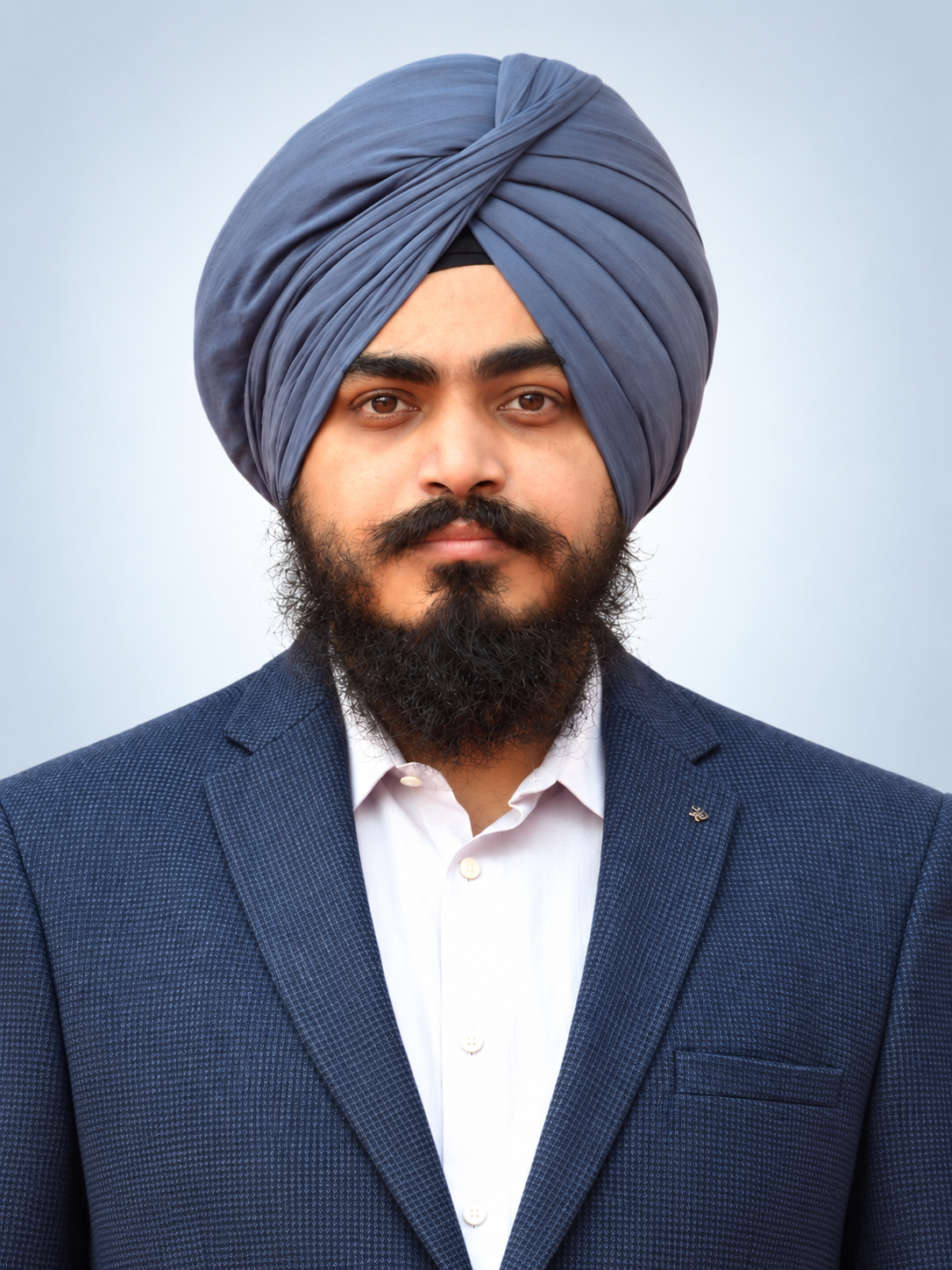
Dr. Pritpal Singh Saini — Sports Injury Surgeon in Jamshedpur
Dr. Pritpal Singh Saini is an orthopaedic surgeon in Jamshedpur with MBBS, DNB Orthopaedics and a Fellowship in Arthroscopy & Arthroplasty. His practice includes assessment and treatment of sports-related injuries involving the knee, shoulder and other musculoskeletal areas.
Sports injuries can range from a simple muscle strain to major ligament, meniscus, cartilage or tendon injuries. The goal is not to recommend surgery for every injury, but to establish the diagnosis, understand the patient's activity goals and select the safest appropriate treatment.
MBBS
Medical qualification
DNB Orthopaedics
Specialist orthopaedic training
Fellowship
Arthroscopy & Arthroplasty
Practice
Jamshedpur, Jharkhand
Sports Injuries Commonly Treated
ACL & Ligament Injuries
ACL tears and other ligament injuries may cause instability, giving-way, swelling and difficulty with cutting or pivoting activities. Treatment depends on instability, age, activity goals and associated injuries.
Meniscus Tears
Meniscus injuries may produce pain, swelling, catching or locking. Depending on the tear pattern and tissue quality, treatment may include rehabilitation, meniscus repair or other selected procedures.
Shoulder Dislocation & Instability
Recurrent shoulder instability can affect athletes involved in throwing, contact or overhead sports. Assessment looks for labral and bony injuries and determines whether rehabilitation or stabilisation is appropriate.
Rotator Cuff Injuries
Rotator cuff injuries may occur after trauma or repetitive overhead activity. Management ranges from rehabilitation to selected surgical repair when symptoms, examination and imaging support it.
Cartilage & Patellofemoral Problems
Cartilage injuries and kneecap-related disorders can cause pain, swelling or difficulty with sport. Treatment is based on the exact lesion rather than the MRI finding alone.
Muscle & Tendon Injuries
Strains and tendon injuries require assessment of severity, function and sport-specific demands. Many can be managed without surgery using structured rehabilitation.
How a Sports Injury Is Assessed
- Understand the injury. The mechanism, timing, swelling, pain, instability, locking and ability to continue activity are reviewed.
- Clinical examination. Range of motion, joint stability, strength, tenderness and relevant neurovascular findings are assessed.
- Imaging when indicated. X-rays help evaluate bone and alignment. MRI or other imaging may be appropriate for selected ligament, meniscus, cartilage, tendon or labral injuries.
- Assess associated injuries. For example, an ACL tear may coexist with a meniscus or cartilage injury, while shoulder instability may involve the labrum or bone.
- Match treatment to the athlete. The treatment plan considers sport, training demands, work, age, rehabilitation capacity and personal goals.
Non-Surgical Sports Injury Treatment
Surgery is not automatically required for a sports injury. Depending on the diagnosis, treatment may include a period of relative rest, activity modification, physiotherapy, progressive strengthening, range-of-motion work, proprioception and sport-specific rehabilitation.
A structured rehabilitation plan matters
Returning to sport should be based on recovery of movement, strength, control and sport-specific function—not simply on whether pain has improved.
When Sports Injury Surgery May Be Considered
Surgery may be considered when the diagnosis and patient goals support an operative approach—for example, selected ACL-deficient knees with functional instability, repairable meniscus tears, recurrent shoulder instability or symptomatic tendon/rotator cuff injuries where non-operative care is insufficient.
Surgery should be diagnosis-specific
An MRI abnormality does not by itself mean surgery is required. Clinical symptoms, examination findings, functional limitation, injury pattern and expected benefit should all be considered.
Common sports injury procedures
- ACL reconstruction
- Meniscus repair and selected arthroscopic procedures
- Arthroscopic shoulder stabilisation such as Bankart repair in appropriate patients
- Rotator cuff repair in selected symptomatic tears
- Selected cartilage and intra-articular procedures
Recovery and Return to Sport
Recovery depends on the exact injury and treatment. A muscle strain, meniscus repair, ACL reconstruction and rotator cuff repair each require different rehabilitation pathways.
Early Phase
Control pain and swelling, restore safe movement and protect the injured or repaired structure.
Strength & Control
Progressive strengthening, balance, neuromuscular control and movement retraining are introduced according to the injury.
Sport-Specific Training
Running, jumping, cutting, throwing or other sport-specific drills are progressed when appropriate.
Return-to-Sport Decision
Return should consider symptoms, strength, movement quality, functional testing and the demands of the sport.
Choosing a Sports Injury Surgeon in Jamshedpur
Choosing the right surgeon is not simply about finding someone who performs sports injury surgery. The important question is whether the surgeon can accurately identify the injury, explain all reasonable treatment options and provide a clear pathway from diagnosis through rehabilitation and return to activity.
Accurate Diagnosis
The assessment should combine your history, physical examination and appropriate imaging rather than relying on an MRI finding alone.
Treatment Choices
A good consultation should explain whether rehabilitation, activity modification, medication or surgery is appropriate for your particular injury.
Sports-Specific Goals
Treatment should take account of your sport, activity level, instability, functional demands and goals for returning to exercise or competition.
Rehabilitation Plan
Ask how postoperative rehabilitation, strengthening, functional testing and progression back to sport will be planned and monitored.
What to discuss during your consultation
- What is the exact diagnosis and which findings support it?
- Can the injury be treated successfully without surgery?
- If surgery is advised, why is it being recommended and what procedure is proposed?
- What are the expected recovery milestones and restrictions?
- When and how will return to running, gym activity, work or sport be assessed?
Sports Injury FAQs
Do all sports injuries need surgery?
No. Many sports injuries can be managed with rehabilitation, activity modification and progressive strengthening. Surgery is considered when the diagnosis, symptoms, instability, associated injuries or functional goals make an operation likely to provide meaningful benefit.
When should I get an MRI after a sports injury?
MRI is useful for selected soft-tissue injuries when the result is likely to clarify the diagnosis or change treatment. It is usually interpreted together with the clinical examination rather than used as the sole reason for surgery.
Can I return to sport when the pain is gone?
Not always. Pain relief is only one part of recovery. Strength, stability, movement quality, neuromuscular control and sport-specific function should also be satisfactory before returning to demanding activity.
Are ACL injuries always treated with reconstruction?
No. Treatment is individualised. Activity level, episodes of instability, associated injuries, symptoms and sporting goals are considered when deciding between structured rehabilitation and ACL reconstruction.
Can a shoulder dislocation be treated without surgery?
Some patients can be managed with rehabilitation and activity modification. Recurrent instability, significant structural injury or particular sporting demands may lead to consideration of stabilisation surgery.
How long does recovery from a sports injury take?
There is no single recovery time. A muscle strain, meniscus repair, ACL reconstruction and rotator cuff repair have very different rehabilitation pathways. Return to sport should be based on recovery milestones and functional readiness rather than time alone.
What should I bring to a sports injury consultation?
Bring previous X-rays or MRI scans and reports, details of how the injury occurred, information about symptoms and instability, previous treatment or physiotherapy records and your usual work or sports activity.
Medical References
- American Academy of Orthopaedic Surgeons. Clinical Practice Guidelines and Sports Medicine resources.
- AAOS Clinical Practice Guideline: Management of Anterior Cruciate Ligament Injuries, 2022.
- AAOS Clinical Practice Guideline: Management of Acute Isolated Meniscal Pathology, 2024.
- AAOS Resident Orthopaedic Core Knowledge — Sports Medicine curriculum covering knee and shoulder arthroscopy, meniscal, ligament, cartilage and rotator cuff conditions.