What is Knee Pain?
Knee pain is one of the most common orthopaedic complaints. It can affect children, young adults, middle-aged people and older adults. Some patients develop pain after a fall or sports injury, while others develop symptoms gradually without a single obvious injury.
You may feel pain while walking, climbing stairs, getting up from a chair, sitting on the floor, squatting, kneeling, exercising or sleeping at night. Knee swelling, stiffness, clicking, locking or a feeling that the knee is "giving way" can provide additional clues about the possible cause.
Not every knee pain is arthritis, and not every knee problem needs surgery. The right treatment depends on your age, symptoms, activity level, examination findings and, when needed, investigations such as an X-ray or MRI.
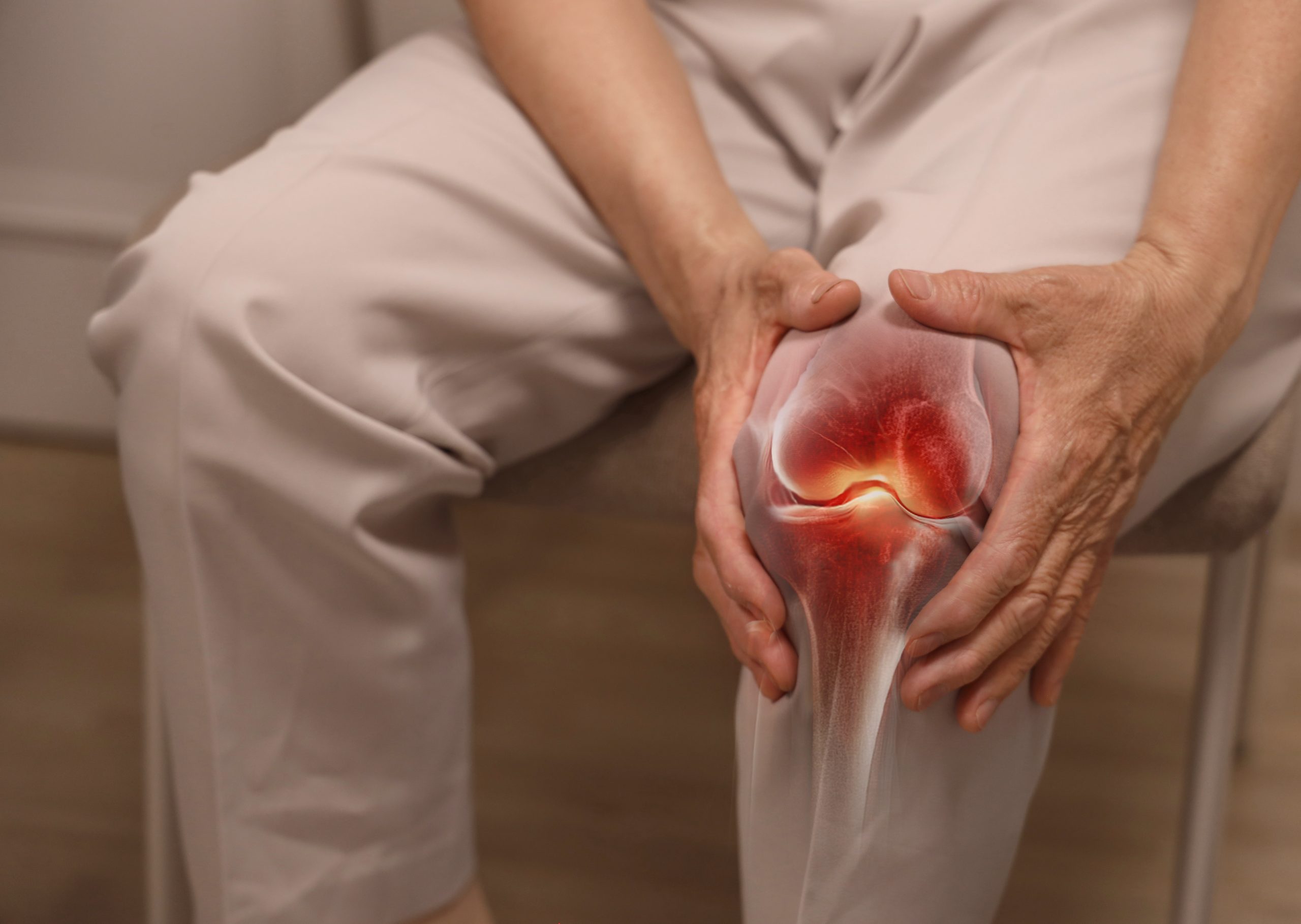
How Patients Commonly Describe Knee Pain
Patients often describe the same knee problem in very different words. Tell your doctor exactly what you are experiencing.
- "Ghutne mein dard hai."
- "Ghutna chalne par dard karta hai."
- "Seedhi chadhte waqt ghutne mein dard hota hai."
- "Chair se uthte waqt pain hota hai."
- "Floor par baithne se pain hota hai."
- "Squatting karne par pain hota hai."
- "Knee mein swelling aa jati hai."
- "Ghutne se awaaz aati hai."
- "Ghutna lock ho jata hai."
- "Knee bharosa nahi deta / gives way."
- "Walking ke waqt knee unstable lagta hai."
- "Raat ko knee pain hota hai."
Try to mention where the pain is, when it started, what makes it worse, whether there was an injury, and whether there is swelling, locking or instability.
Common Causes of Knee Pain
Knee pain has many possible causes. The most useful starting point is to separate injury-related pain from gradual or activity-related pain.
- Ligament injuries such as ACL, PCL, MCL or LCL injury
- Meniscus and cartilage injuries
- Kneecap-related problems — see the patient guidance on anterior/kneecap pain on this site as it becomes available.
- Tendon irritation or tendinopathy
- Osteoarthritis
- Overuse and sports injuries
- Fractures or major trauma
- Bursitis and other soft-tissue problems
- Inflammatory or metabolic joint conditions
- Rarely, infection or other serious conditions
The same symptom can occur with different conditions, so symptoms alone should not be used to make a diagnosis.
Knee Pain After a Fall, Twist or Sports Injury
Pain after a fall, sudden twist, change of direction, jumping or sports activity may indicate a sprain or a more significant internal knee injury.
Depending on the injury, structures such as the ligaments, menisci, cartilage, tendons or bones may be involved.
Important symptoms include:
- A pop or snap at the time of injury
- Rapid swelling
- Difficulty putting weight on the leg
- Loss of normal knee movement
- Inability to fully straighten the knee
- Locking
- Giving way or instability
A large amount of swelling that appears quickly after a twisting injury, inability to bear weight, or a knee that becomes locked should be assessed promptly.
For more detailed information, see ACL injury and reconstruction, meniscus and cartilage problems, arthroscopic meniscus repair, and knee ligament injury treatment.
Knee Osteoarthritis
Osteoarthritis is a common cause of knee pain, particularly with increasing age. The smooth cartilage that helps the knee move can gradually become damaged, leading to pain, stiffness and loss of function.
Patients may notice:
- Pain during walking or prolonged standing
- Difficulty climbing stairs
- Pain while getting up from a chair
- Stiffness after sitting or resting
- Reduced knee movement
- Swelling or a feeling of fullness around the knee
Many people with osteoarthritis can be managed for a long time with appropriate exercise, activity modification, weight management where appropriate, medicines and other non-surgical treatments. Some people with severe symptoms and substantial functional limitation may eventually require knee replacement.
Read more about osteoarthritis physiotherapy and lifestyle management.
Pain Around the Kneecap
Pain at the front of the knee or around the kneecap is common. It may become noticeable during activities that repeatedly bend and load the knee.
Common triggers include:
- Climbing or descending stairs
- Getting up from a chair
- Squatting
- Running and jumping
- Prolonged sitting with the knee bent
Possible causes include patellofemoral pain, patellar tendon problems, overuse and other conditions. The exact cause should be determined from the history and examination rather than assumed from the location alone.
Knee Pain While Climbing Stairs
Stair-related knee pain is very common. Some people have pain mainly while going up, while others notice it more while going down.
Possible causes include problems around the kneecap, osteoarthritis, tendon irritation, muscle weakness and other knee conditions.
Useful information to note:
- Is the pain in the front, inside, outside or back of the knee?
- Is there swelling?
- Does it hurt going up, going down or both?
- Does the knee hurt after sitting?
- Is there clicking, locking or giving way?
- Did the pain begin after an injury or gradually?
Knee Pain While Sitting, Squatting or Getting Up
Some people walk reasonably well but develop pain when the knee is deeply bent. In India, patients commonly report difficulty with sitting on the floor, sitting cross-legged, squatting, using an Indian-style toilet, or getting up from the floor.
Deep knee bending places a different load on the joint and can aggravate several conditions, including kneecap-related pain, arthritis, meniscus problems and tendon disorders.
Tell your doctor which particular movement causes the pain and whether the knee becomes stiff, swollen, locked or unstable.
Knee Swelling
A swollen knee can have many causes. It may develop after an injury or without an obvious injury.
- Ligament or meniscus injury
- Fracture
- Osteoarthritis or other arthritis
- Bursitis
- Gout or other inflammatory conditions
- Bleeding into the joint
- Joint infection
The timing of swelling is important. A large swelling that appears quickly after an injury is different from mild recurrent swelling over several months.
A knee that is hot, red and swollen with fever or feeling unwell needs urgent medical assessment.
Knee Clicking, Cracking and Popping
Many people hear cracking, clicking or popping sounds from their knees. Painless clicking by itself does not necessarily mean that the knee is damaged.
However, clicking becomes more important when it is associated with:
- Pain
- Swelling
- Locking
- Giving way
- Loss of movement
- A significant injury
Describe both the sound and the symptoms that occur with it.
Knee Locking
"Locking" is used by patients to describe different sensations. Some mean that the knee simply feels stiff; others mean that the knee is genuinely stuck and cannot fully straighten or bend.
True locking, particularly after a twisting injury, can occur with internal knee problems such as a meniscus injury.
Do not repeatedly force a genuinely locked knee through painful movement. Arrange an assessment, especially if the knee cannot be fully straightened.
See the ACL information page and your existing meniscus pages for more detailed information about internal knee injuries.
Knee Giving Way or Instability
A patient may describe this as "knee giving way", "knee chhod dena", "buckling", "unstable knee" or feeling that the knee cannot be trusted while walking or turning.
Possible causes include ligament injury, muscle weakness, pain-related inhibition and other internal knee problems.
Repeated giving way is important, particularly in people who participate in sports or have had a previous knee injury. An orthopaedic assessment can help determine whether there is an underlying ligament, meniscus or other problem.
Knee Pain in Younger and Older People
In younger people, common causes include sports injuries, ligament injury, meniscus problems, kneecap-related pain, tendon disorders and overuse.
In middle-aged and older adults, osteoarthritis becomes more common, but age alone should not be assumed to explain the pain. Previous injury, muscle weakness, tendon problems, inflammatory conditions and other causes are also possible.
The history of the pain—how it started, where it is felt, what makes it worse and whether there was an injury—helps guide the examination.
What Can I Do for Knee Pain at Home?
The right home care depends on the cause.
For a recent minor injury, it is generally sensible to reduce activities that clearly increase pain for a short period. Ice wrapped in a cloth can be used for pain and swelling. Do not place ice directly on the skin.
For longer-term knee problems, complete bed rest or avoiding all activity is usually not helpful. Appropriate movement and strengthening can be important parts of treatment, particularly for osteoarthritis, but the exercises should match the condition.
Temporarily reduce activities that sharply increase pain, such as repeated deep squatting, running, jumping or heavy knee-loading exercise. As symptoms improve, activity can usually be increased gradually.
Ice, Heat and Pain Medicines
Ice: A cold pack wrapped in a towel can help with pain and swelling after a recent injury. Avoid placing ice directly on the skin.
Heat: Some patients find warmth helpful for stiffness or muscle discomfort. However, heat is not a substitute for assessment when the knee is acutely swollen, hot or red.
Pain medicines: The choice of medicine depends on your age, other medicines and medical history. Anti-inflammatory medicines are not suitable for everyone. People with certain stomach, kidney, heart or blood-pressure problems, those taking blood thinners and some older adults may need particular caution.
Do not routinely self-medicate with painkillers for weeks without understanding why the knee is painful.
Do I Need an X-ray or MRI?
X-ray is useful for looking at bones and changes such as fractures, alignment and osteoarthritis.
MRI can provide more information about structures such as the ACL, other ligaments, menisci, cartilage and some soft tissues.
Neither test is automatically required for every knee pain. A doctor decides whether imaging is useful based on your symptoms, examination and the question that needs to be answered.
Does Knee Pain Need Surgery?
No. Many knee problems can be treated without surgery.
Depending on the diagnosis, treatment may include:
- Activity modification
- Physiotherapy and strengthening
- Weight management where appropriate
- Medicines when suitable
- Bracing in selected situations
- Other non-surgical treatments
Surgery is considered when there is a condition for which surgery is appropriate, or when symptoms and functional limitations continue despite suitable non-surgical management.
For example, treatment decisions for an ACL tear, significant meniscus injury, major ligament injury and severe knee osteoarthritis are different.
Learn more about ACL injuries and ACL reconstruction. You can also explore the detailed meniscus & cartilage guide, meniscus repair, knee ligament injury treatment, total knee replacement, and knee fracture treatment pages.
When Should I See an Orthopaedic Doctor?
Arrange an orthopaedic assessment when knee pain is persistent, worsening or interfering with normal activities.
- Pain continues or keeps returning
- Pain affects walking, work or sleep
- Swelling keeps returning
- The knee repeatedly gives way
- The knee locks
- You cannot fully straighten the knee
- There has been a significant injury
- Symptoms are not improving with reasonable self-care
When Is Knee Pain Urgent?
Seek urgent medical assessment if:
- The knee is severely painful after a major injury.
- You cannot put weight on the leg.
- The knee is badly swollen or visibly deformed.
- The knee is genuinely locked and cannot be moved or straightened.
- The knee repeatedly gives way and you are at risk of falling.
- The knee becomes hot, red and swollen with fever, chills or feeling very unwell.
- You develop significant numbness, altered sensation or other concerning symptoms after an injury.
These symptoms can indicate a significant injury or, in some situations, infection or another problem requiring prompt examination.
Common Questions About Knee Pain
Is knee pain always because of arthritis?
No. Knee pain can result from injury, ligament problems, meniscus problems, tendon problems, kneecap-related pain, arthritis and other conditions.
Why does my knee hurt when climbing stairs?
Several conditions can cause stair-related pain, particularly problems around the kneecap, arthritis and tendon or muscle-related problems. An examination helps determine the likely cause.
Why does my knee hurt when I get up from a chair?
Pain during this movement can occur in several knee conditions because the joint experiences considerable load while moving from a bent to a straighter position.
Why does my knee hurt after sitting on the floor?
Deep knee bending and sitting cross-legged can aggravate certain knee problems. Tell your doctor about this specific activity because it helps describe your symptoms.
Why is my knee swollen?
Swelling can result from injury, internal knee damage, arthritis, gout, bursitis, bleeding or infection. A persistently swollen or hot knee should be assessed.
Why does my knee make cracking sounds?
Painless cracking or clicking can occur without serious disease. Painful clicking, swelling, locking or instability is more significant.
Why does my knee lock?
True locking means the knee becomes stuck and cannot fully bend or straighten. After an injury, this may be associated with an internal knee problem such as a meniscus injury and should be assessed.
Why does my knee give way?
A knee that repeatedly gives way can occur with ligament problems, muscle weakness, pain-related inhibition or other knee disorders. Recurrent instability deserves assessment.
Can knee pain improve without surgery?
Yes. Many knee problems can be treated without surgery. The appropriate treatment depends on the underlying cause.
Do I need an MRI for knee pain?
Not every patient needs an MRI. MRI is considered when information about ligaments, meniscus, cartilage or other soft tissues would be useful.
Can exercise help knee pain?
Exercise can be an important part of treatment for many knee conditions, including osteoarthritis. The type and intensity should be appropriate for the underlying problem.
When should knee pain be treated urgently?
Urgent assessment is important for severe pain after major injury, inability to bear weight, major swelling or deformity, a locked knee, or a hot red swollen knee associated with fever or feeling unwell.
Continue Reading
These pages provide more detailed information on specific knee problems and treatments. You do not need to read all of them—choose the topic that best matches your symptoms.
- ACL injury and reconstruction — for twisting injuries, instability and sports-related ACL tears.
- Meniscus & cartilage problems — for locking, catching, joint-line pain and cartilage-related symptoms.
- Osteoarthritis physiotherapy & lifestyle — for age-related knee pain, stiffness and non-surgical care.
- Total knee replacement guide — for advanced arthritis and persistent functional limitation.
- Knee replacement surgery — detailed surgical information.
- Knee ligament injury treatment — for ACL, PCL, MCL and LCL injuries.
- Knee fracture treatment — for fractures involving the knee.
- ACL rehabilitation after surgery — for post-operative recovery.
Related Knee Information
This symptom page is designed to guide patients to more specific information where appropriate.
| Patient problem | Useful detailed topic |
|---|---|
| Twisting injury, giving way, sports injury | ACL injury guide & ACL reconstruction |
| Locking, catching or suspected cartilage/meniscus problem | Meniscus & cartilage guide |
| Long-term knee pain and stiffness | Osteoarthritis physiotherapy and lifestyle |
| Severe arthritis affecting walking and daily activities | Total knee replacement guide and knee replacement surgery |
| Fracture after a fall or accident | knee fracture treatment and fracture & trauma surgery |
| ACL surgery recovery | ACL rehabilitation after surgery |
| ACL reconstruction with meniscus repair | ACL + meniscus repair rehabilitation |
| Active patient with sports-related knee injury | Sports injury treatment |
| Older person with knee pain and mobility difficulty | Geriatric & senior orthopaedic care |
| Fracture treatment decision | Plaster vs surgery for fractures |