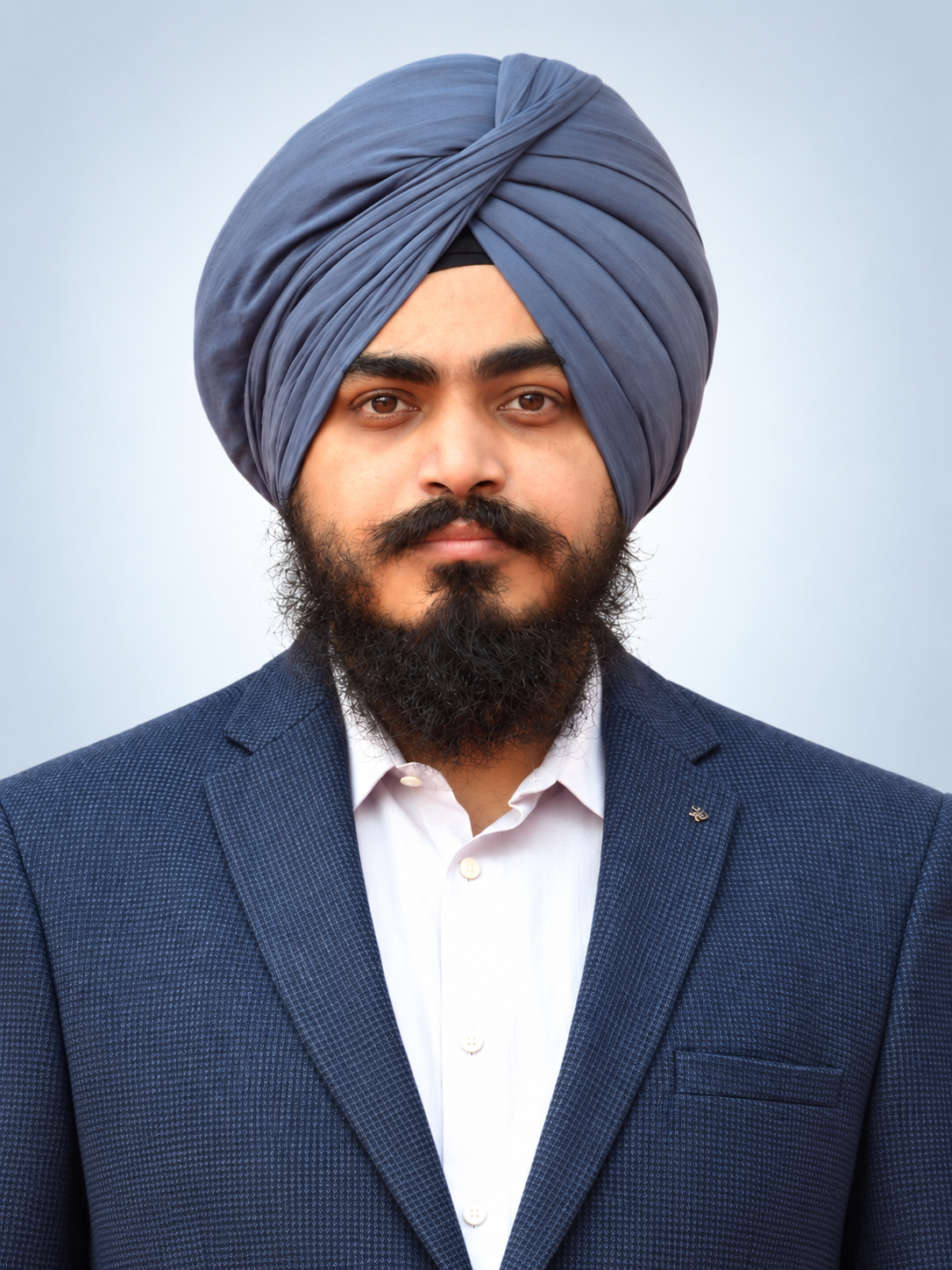
Dr. Pritpal Singh Saini — Orthopaedic Doctor in Jamshedpur
Dr. Pritpal Singh Saini is an orthopaedic surgeon practising in Jamshedpur, with clinical interests spanning knee and shoulder arthroscopy, sports injuries, joint replacement and orthopaedic trauma. He holds an MBBS, DNB in Orthopaedics and a Fellowship in Arthroscopy & Arthroplasty.
Patients searching for the best orthopaedic doctor in Jamshedpur or the best ortho doctor in Jamshedpur usually want more than a name. They want to know whether the doctor has relevant training, whether the problem will be assessed carefully, whether surgery is actually necessary, and what follow-up and rehabilitation will look like. This page is designed to answer those questions clearly.
A practical approach to orthopaedic care
The aim is to match the treatment to the diagnosis, severity, functional limitation, age, activity level, associated conditions and patient goals. Not every painful joint needs an operation, and not every structural injury can be treated safely by exercises alone. The appropriate pathway is decided after history, examination and relevant investigations.
Orthopaedic Conditions & Services
Orthopaedic consultation can help evaluate problems involving bones, joints, ligaments, tendons, muscles and cartilage. Common areas of practice include:
Knee Problems
- Knee pain and osteoarthritis
- ACL, PCL and collateral ligament injuries
- Meniscus and cartilage problems
- Patellar instability and selected sports injuries
- Assessment for knee replacement
Joint Replacement
- Total knee replacement assessment
- Hip replacement assessment
- Evaluation of severe arthritis and functional limitation
- Preoperative counselling and planning
- Postoperative rehabilitation guidance
Sports & Arthroscopy
- ACL and meniscus injuries
- Shoulder instability and labral injuries
- Rotator cuff problems
- Sports-related knee and shoulder pain
- Arthroscopic treatment when appropriately indicated
Fracture & Trauma Care
- Upper and lower limb fractures
- Knee, ankle and shoulder fractures
- Forearm, humerus and femur fractures
- Fracture fixation assessment
- Orthopaedic trauma evaluation
Knee Specialist Care in Jamshedpur
Knee problems range from temporary soft-tissue pain to ligament tears, meniscus injuries and advanced osteoarthritis. A useful consultation starts by identifying the pattern of symptoms and the structure most likely to be involved rather than treating every knee complaint in the same way.
When knee assessment is important
- Pain that persists or repeatedly returns
- Swelling after activity or injury
- Locking, catching or difficulty fully bending/straightening
- Instability or repeated giving-way
- Pain that limits walking, stairs, work or sport
Possible treatment pathways
- Activity modification and education
- Exercise and physiotherapy
- Bracing or other support when appropriate
- Medication when clinically suitable
- Arthroscopy or joint replacement in selected cases
For patients with knee osteoarthritis, treatment is individualised according to symptoms, function and disease severity. Evidence-based guidelines support exercise and self-management as important parts of care, while surgery is considered when symptoms and functional limitation justify an operative pathway.
Knee & Hip Replacement Consultation
Joint replacement may be considered when advanced arthritis or another joint condition causes persistent pain and substantial limitation despite appropriate non-operative treatment. The decision should be based on symptoms, examination, imaging and the patient's functional goals—not on an X-ray alone.
A joint replacement consultation should answer four questions
- What is causing the pain and loss of function?
- Have appropriate non-surgical options been tried?
- Would joint replacement reasonably improve pain and function?
- What preparation, rehabilitation and follow-up would be required?
For knee arthritis, the treatment pathway can include exercise, weight-management strategies where appropriate, medicines and other non-operative measures before considering surgery. When replacement is appropriate, the consultation also covers expectations, implant-related considerations, rehabilitation and recovery.
Related joint replacement resources
Arthroscopy & Sports Injury Consultation
Arthroscopy is a minimally invasive technique that allows a surgeon to visualise and treat selected problems inside a joint. It is not automatically required for every sports injury or joint pain complaint. The indication depends on the diagnosis, symptoms, examination findings, imaging, functional demands and expected benefit.
Knee Arthroscopy
Selected ACL injuries, repairable meniscus tears and other intra-articular problems may be evaluated for arthroscopic treatment when clinically appropriate.
Shoulder Arthroscopy
Selected instability, labral and rotator cuff problems may be treated arthroscopically depending on the pathology and patient factors.
Current AAOS guidance emphasises evidence-based decision-making for ACL injuries, acute isolated meniscal pathology and rotator cuff injuries. The treatment choice remains individualised rather than being determined by a keyword, scan finding or diagnosis alone.
Fracture & Orthopaedic Trauma
Fractures need assessment of alignment, stability, soft-tissue condition and the patient's overall circumstances. Some fractures can be treated with immobilisation and follow-up, while others may require reduction or fixation. The appropriate treatment depends on fracture pattern, displacement, joint involvement, soft-tissue injury and functional requirements.
Common fracture areas
- Wrist and distal radius
- Clavicle and shoulder
- Humerus and elbow
- Forearm and hand
- Femur, tibia, knee and ankle
When urgent assessment is needed
- Visible deformity after injury
- Severe pain with inability to bear weight
- Numbness, weakness or a cold/pale limb
- Open wound over a suspected fracture
- Rapidly increasing swelling or severe trauma
Shoulder, Elbow, Foot & Other Orthopaedic Problems
Orthopaedic practice also includes common problems outside the knee and hip. Consultation can help distinguish conditions that need structured rehabilitation from those that may require imaging, injections, specialist referral or surgery.
Shoulder
Frozen shoulder, rotator cuff problems, shoulder instability, labral injuries and selected shoulder fractures.
Elbow
Tennis elbow and other tendon or joint problems affecting movement and daily activities.
Foot & Heel
Heel pain, plantar fasciitis and selected foot and ankle musculoskeletal conditions.
Back & Rehabilitation
Selected mechanical back problems and rehabilitation-focused musculoskeletal conditions.
Patient education resources
How to Choose an Orthopaedic Doctor in Jamshedpur
Search phrases such as “best orthopaedic doctor in Jamshedpur” and “best ortho doctor in Jamshedpur” are useful starting points, but the word “best” is subjective. A better way to choose a doctor is to check whether the clinician's training and experience match your particular problem.
- Check relevant qualifications: look for recognised medical and specialist orthopaedic training.
- Match expertise to the problem: a knee ligament injury, fracture, arthritis and shoulder instability may require different areas of expertise.
- Understand the treatment options: a good consultation should explain both non-operative and operative pathways when relevant.
- Ask what rehabilitation involves: recovery often depends on structured rehabilitation, not only the procedure itself.
- Review follow-up and access: practical follow-up arrangements matter after surgery, injury or a change in treatment.
Dr. Pritpal Singh Saini's practice combines general orthopaedic evaluation with focused work in arthroscopy, sports injuries, joint replacement and trauma. The appropriate treatment is determined after individual assessment rather than by the search ranking of a doctor.
What Happens During an Orthopaedic Consultation?
A first consultation usually starts with the history of the problem, followed by a focused musculoskeletal examination. Depending on the condition, the assessment may include evaluation of range of motion, strength, stability, gait, tenderness and functional limitations.
1. History
How the problem started, duration, pain pattern, swelling, instability, previous treatment and effect on daily activities or sport.
2. Examination
Focused examination of the affected joint, limb or spine and comparison with the opposite side when appropriate.
3. Investigations
X-rays, ultrasound, MRI, CT or laboratory tests may be requested selectively when they are likely to clarify diagnosis or guide treatment.
4. Treatment Plan
A diagnosis or working diagnosis, treatment options, expected recovery, warning signs and follow-up plan are discussed.
Bring useful information to your appointment
If available, bring previous X-rays, MRI or CT images/reports, prescriptions, operation notes, physiotherapy records and a list of current medicines. This can make the consultation more efficient.
Frequently Asked Questions
Is Dr. Pritpal Singh Saini the best orthopaedic doctor in Jamshedpur?
The term “best” is subjective and depends on the patient's diagnosis, treatment needs and priorities. Dr. Pritpal Singh Saini is a DNB Orthopaedics specialist with a Fellowship in Arthroscopy & Arthroplasty and provides consultation for knee, hip, shoulder, sports injury, joint replacement and orthopaedic trauma problems in Jamshedpur.
What is the difference between an orthopaedic doctor and an orthopaedic surgeon?
Both terms are commonly used for doctors trained in orthopaedics. An orthopaedic surgeon is trained to manage musculoskeletal conditions using both non-operative treatment and surgery when surgery is indicated.
Do I need an MRI before consulting an orthopaedic doctor?
Not necessarily. Many common conditions can be assessed from the history and physical examination, with X-rays or other investigations selected according to the clinical question.
Can an orthopaedic doctor treat my problem without surgery?
Yes. Many orthopaedic conditions can be managed with education, activity modification, exercise, physiotherapy, medicines when appropriate and rehabilitation. Surgery is considered when the expected benefit outweighs the risks for the specific condition.
When should I seek urgent orthopaedic assessment?
Seek urgent assessment after a major injury with deformity, an open wound over a suspected fracture, severe or rapidly increasing swelling, loss of sensation or strength, a cold or pale limb, or inability to bear weight after significant trauma.
Authentic Medical References
- American Academy of Orthopaedic Surgeons. Clinical Practice Guideline: Management of Anterior Cruciate Ligament Injuries. 2022. AAOS.
- American Academy of Orthopaedic Surgeons. Clinical Practice Guideline: Management of Acute Isolated Meniscal Pathology. 2024. AAOS.
- American Academy of Orthopaedic Surgeons. Clinical Practice Guideline: Osteoarthritis of the Knee. 2021. AAOS.
- American Academy of Orthopaedic Surgeons. Clinical Practice Guideline: Surgical Management of Osteoarthritis of the Knee. 2022. AAOS.
- American Academy of Orthopaedic Surgeons. Management of Rotator Cuff Injuries Evidence-Based Clinical Practice Guideline. 2025. AAOS.
- American Academy of Orthopaedic Surgeons, OrthoInfo. Patient education resources and guidance on finding an orthopaedic surgeon. OrthoInfo.